
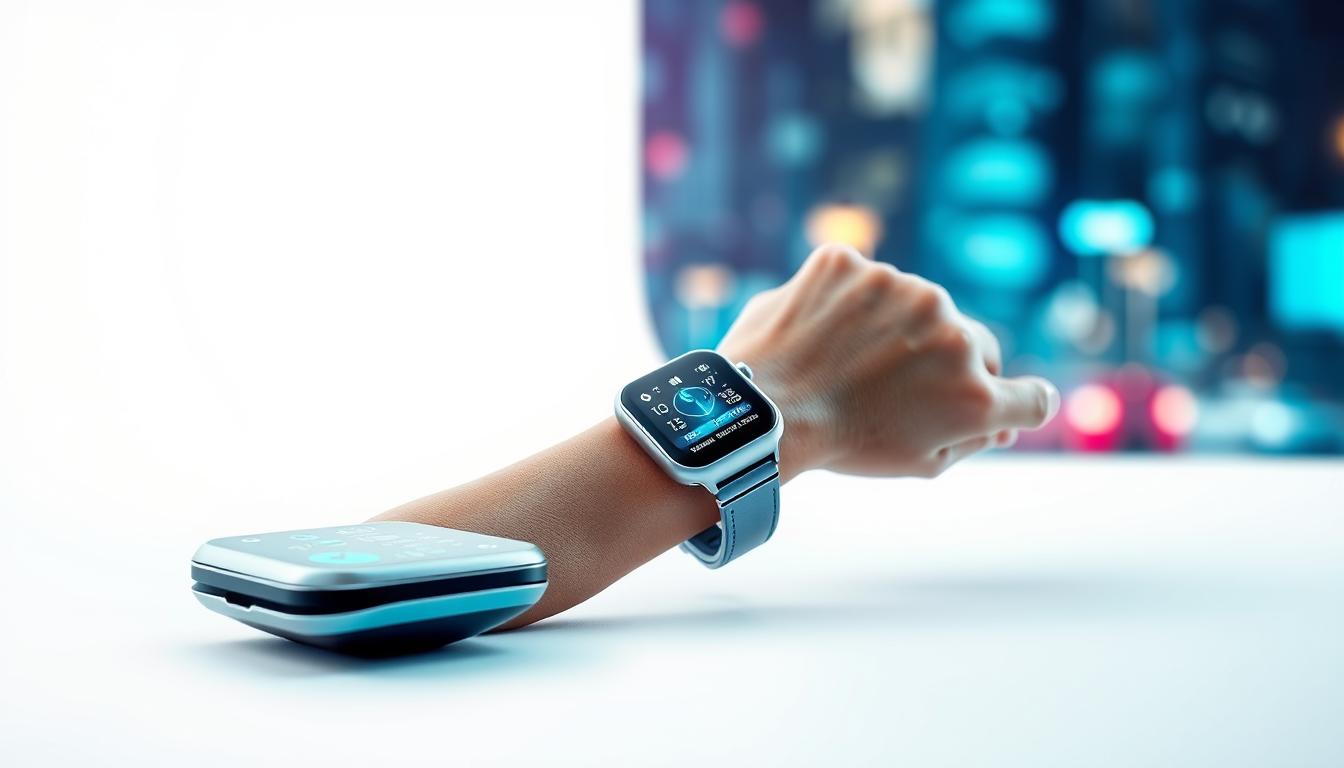
Are you ready to take control of your personal health journey like never before? Advancements in wearable technology are revolutionizing the way we monitor and manage our well-being.
The rise of wearable health tech innovations has transformed the healthcare landscape, enabling individuals to track their vital signs, monitor chronic conditions, and receive personalized insights into their health.
Key Takeaways
Table of Contents
- Wearable technology is changing the face of personal health monitoring.
- Advancements in wearables are providing more accurate and comprehensive health data.
- The integration of wearable tech with healthcare is improving patient outcomes.
- Personalized health insights are becoming more accessible through wearable devices.
- The future of healthcare is being shaped by wearable health tech innovations.
The Current Landscape of Health Wearables
Wearable technology is revolutionizing personal healthcare with advanced health monitoring devices. The health wearable market has expanded significantly, offering a wide range of devices that cater to different needs and preferences.
From Basic Trackers to Advanced Health Monitors
Initially, fitness trackers were the primary type of health wearable available, focusing on step tracking and basic activity monitoring. Today, the market is flooded with sophisticated devices that can monitor a variety of health metrics, including heart rate, blood oxygen levels, and even electrocardiogram (ECG) readings.
How Wearables Are Transforming Personal Healthcare
Health wearables are transforming personal healthcare by providing users with valuable insights into their health and wellness. These devices enable individuals to track their progress, set health goals, and make informed decisions about their lifestyle.
| Feature | Basic Trackers | Advanced Health Monitors |
|---|---|---|
| Step Tracking | Yes | Yes |
| Heart Rate Monitoring | Limited | Yes |
| ECG Readings | No | Yes |
| Blood Oxygen Levels | No | Yes |
By leveraging these advanced features, individuals can gain a deeper understanding of their health and take proactive steps towards improving their well-being.
Exploring Wearable Health Tech Innovations
The latest wearable health tech innovations are revolutionizing the healthcare landscape, providing users with unprecedented insights into their well-being. These advancements are not only enhancing the way we track our health but are also paving the way for more personalized and proactive healthcare.
Modern Fitness Trackers and Their Capabilities
Modern fitness trackers have evolved significantly beyond simple step tracking. They now offer a range of features including GPS tracking, heart rate monitoring, and guided breathing sessions. Some devices also include advanced metrics such as VO2 max and lactate threshold, providing a more comprehensive picture of a user’s fitness level.
Health-Focused Smartwatches
Health-focused smartwatches are another category of wearable tech that has gained popularity. These devices not only track fitness metrics but also offer features like ECG monitoring, fall detection, and alerts for irregular heart rhythms. They often include built-in GPS and can track a variety of workouts, making them versatile tools for both everyday health monitoring and athletic performance tracking.

Specialized Medical Wearables
Specialized medical wearables are designed to monitor specific health conditions. They include devices such as continuous glucose monitors, heart rate and ECG monitors, and advanced sleep tracking devices.
Continuous Glucose Monitors
Continuous glucose monitors are particularly beneficial for individuals with diabetes, providing real-time data on glucose levels throughout the day. This allows for more precise management of blood sugar levels and can help prevent both hyperglycemia and hypoglycemia.
Heart Rate and ECG Monitors
Heart rate and ECG monitors offer detailed insights into heart activity, enabling users to detect irregularities and consult with healthcare professionals if necessary. These features are especially valuable for individuals with known heart conditions or those at risk.
Advanced Sleep Tracking Devices
Advanced sleep tracking devices can monitor various aspects of sleep, including duration, quality, and stages of sleep. This information is crucial for understanding sleep patterns and making adjustments to improve sleep hygiene.
In conclusion, wearable health tech innovations are diverse and cater to a wide range of health and fitness needs. From fitness trackers and smartwatches to specialized medical wearables, these devices are empowering individuals to take a more active role in their health management.
How to Select the Right Wearable for Your Health Goals
Understanding your health goals is the first step in navigating the complex world of wearable devices. With the plethora of options available, it’s essential to make an informed decision that aligns with your specific health objectives.
Identifying Your Primary Health Objectives
Before diving into the world of wearables, it’s crucial to identify what you want to achieve. Are you looking to improve your cardiovascular health, manage stress, or track your fitness goals? Clarifying your primary health objectives will help you narrow down your options.
Evaluating Device Accuracy and Clinical Validation
Not all wearables are created equal. It’s vital to assess the accuracy of the device and look for clinical validation. Reliable wearables are those that have been tested and validated against clinical standards. Check for reviews, ratings, and clinical studies that support the device’s claims.
Matching Features to Your Lifestyle Needs
Different wearables offer various features. Some are designed for athletes, while others are more suited for everyday health tracking. Consider what features are essential to you, such as GPS tracking, heart rate monitoring, or notification alerts.
Durability and Water Resistance Ratings
If you plan to wear your device during intense activities or in wet conditions, look for durability and water resistance. Check the IP rating of the device to ensure it can withstand your lifestyle.
Battery Life and Charging Requirements
Battery life is another critical factor. Some devices need to be charged daily, while others can last several days on a single charge. Consider your charging habits and choose a device that fits your needs.
Comfort for Long-Term Wear
Comfort is key when it comes to wearing a device continuously. Look for wearables with adjustable straps and consider the material to ensure it’s comfortable against your skin.
By carefully evaluating these factors, you can select a wearable device that not only meets your health goals but also fits seamlessly into your lifestyle.
Setting Up and Using Your Health Wearable Effectively
To get the most out of your wearable health tech innovations, it’s crucial to set it up correctly from the start. A well-configured device not only provides accurate data but also enhances your overall user experience.
Initial Configuration for Accurate Tracking
The first step in using your wearable effectively is to configure it according to your personal needs. This includes setting your height, weight, age, and activity levels. Accurate tracking begins with precise user data, ensuring that your device can provide relevant insights into your health and fitness.
Establishing Baseline Measurements
Once your device is configured, it’s essential to establish baseline measurements. This involves wearing your device for a few days to gather initial data on your activity levels, heart rate, and other health metrics. Baseline data serves as a reference point for future comparisons, helping you track your progress over time.
Creating Custom Alerts and Notifications
Custom alerts and notifications can significantly enhance your wearable experience. By setting up alerts for specific health metrics, such as heart rate thresholds or activity goals, you can stay informed about your health status in real-time.
Setting Realistic Goals and Milestones
When creating custom alerts, it’s vital to set realistic goals and milestones. This could involve setting daily step targets or weekly exercise goals. By achieving these milestones, you can stay motivated and engaged with your health journey.
Syncing with Other Health Apps and Services
Many wearable devices can sync with other health apps and services, providing a more comprehensive view of your health. By integrating your wearable with these platforms, you can consolidate your health data and gain deeper insights into your overall well-being.

By following these steps, you can maximize the benefits of your wearable health tech innovations and achieve your health goals more effectively.
Interpreting and Acting on Your Health Data
Harnessing the full potential of health wearables requires not just collecting data, but understanding and acting upon it. With the vast amount of information generated by health monitoring devices, it’s essential to know how to interpret the metrics and measurements they provide.
Understanding Your Metrics and Measurements
The data from biometric sensors in wearables can include heart rate, sleep patterns, and activity levels. Understanding these metrics involves recognizing what each measurement signifies about your health. For instance, an elevated heart rate during rest could indicate stress or potential health issues.
Recognizing Patterns and Trends
One of the key benefits of long-term data collection by wearables is the ability to identify patterns and trends in your health. By analyzing these patterns, you can make informed decisions about your lifestyle, such as adjusting your exercise routine or sleep schedule.
When to Share Data with Healthcare Providers
Knowing when to share your health data with professionals is crucial. If you notice unusual patterns or trends that could indicate a health issue, it’s wise to consult with a healthcare provider. They can offer insights and recommendations based on the data.
Exporting and Presenting Your Health Information
Many health wearables allow you to export your data for further analysis or to share with healthcare professionals. Understanding how to present this information effectively can enhance your discussions with doctors, potentially leading to more personalized care.
Privacy Considerations for Health Data
While sharing health data can be beneficial, it’s also important to consider privacy. Ensure that you’re using secure methods to share your data and that you’re aware of the privacy policies of the apps and services you’re using.
By effectively interpreting and acting on the data from your health wearables, you can take a more proactive role in managing your health and wellness.
Embracing the Future of Health with Wearable Tech
As we’ve explored, wearable health tech innovations are transforming the way we approach our personal health journeys. From basic trackers to advanced health monitors, these devices are providing valuable insights into our well-being. The latest wearable tech trends are focused on enhancing user experience and delivering more accurate data.
Wellness wearables are becoming increasingly sophisticated, allowing users to track a wide range of health metrics. By understanding and leveraging the data from these devices, individuals can make informed decisions about their health and wellness. As wearable technology continues to evolve, we can expect even more innovative features and applications in the future.
By integrating wearable tech into daily life, individuals can take a proactive approach to their health, staying on top of their wellness goals and responding to changes in their health data. As the wearable tech industry continues to grow, it’s clear that these devices will play an increasingly important role in shaping the future of healthcare.