
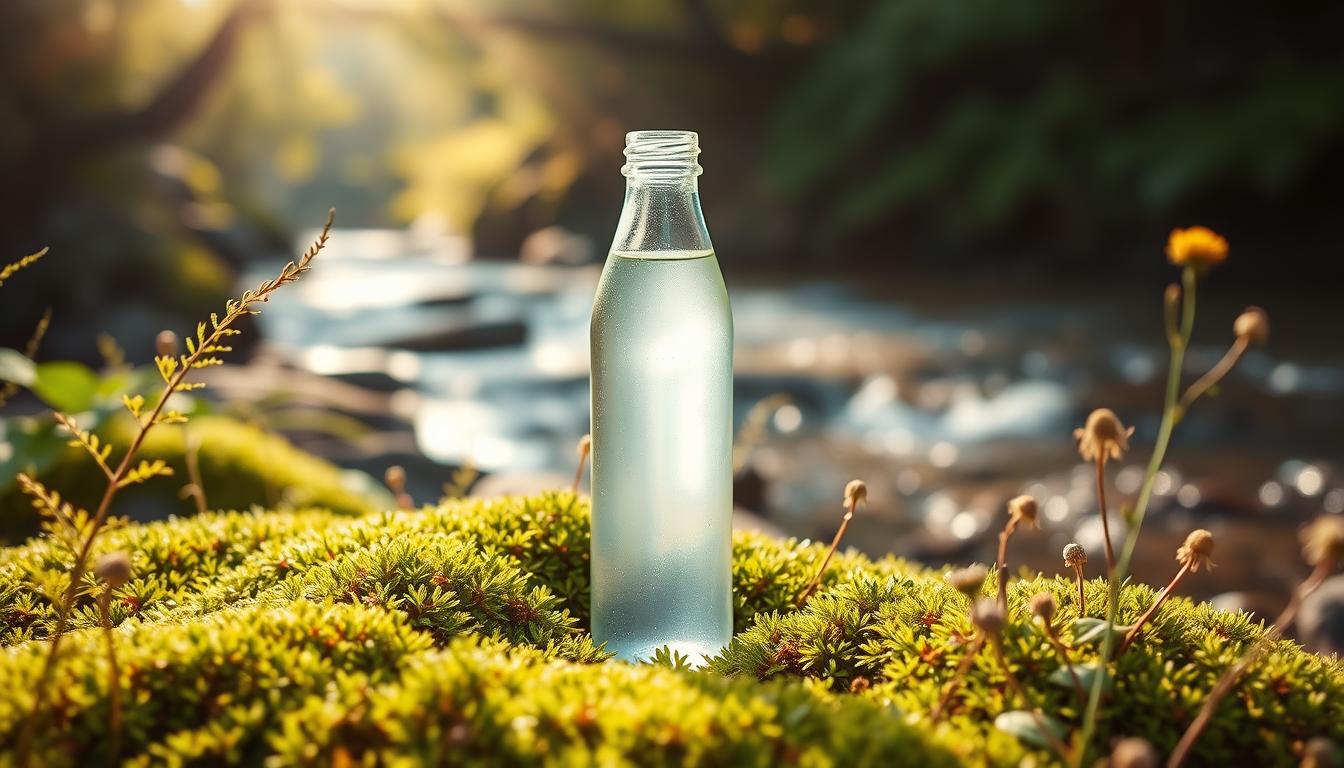
Are you aware of the impact your daily hydration habits have on the environment? The truth is, traditional plastic water bottles contribute significantly to plastic waste.
As the world shifts towards more sustainable living, eco-friendly alternatives are becoming increasingly popular. One such innovation is the biodegradable water bottle, made from materials that can decompose naturally, reducing environmental harm.
By switching to biodegradable options, you can significantly reduce your plastic footprint. This simple change can make a substantial difference in the quest for a more sustainable future.
Key Takeaways
Table of Contents
- Eco-friendly hydration solutions are becoming increasingly important.
- Biodegradable materials can significantly reduce plastic waste.
- Switching to biodegradable water bottles is a simple step towards sustainability.
- Eco-friendly alternatives are innovative and effective.
- Adopting sustainable habits can make a significant environmental impact.
The Environmental Crisis of Single-Use Plastics
The plastic pollution crisis is escalating, with far-reaching consequences for our planet’s ecosystems. The sheer volume of plastic waste generated daily is staggering, with a significant portion ending up in oceans and landfills.
The Growing Problem of Plastic Bottle Waste
Plastic bottle waste is a substantial contributor to the global plastic pollution problem. Millions of plastic bottles are discarded daily, with many not being recycled. This waste not only harms marine life but also contaminates the food chain.
Why Traditional Bottles Threaten Our Ecosystems
Traditional plastic bottles are made from non-renewable resources and are designed to be used once and discarded. This ‘take, make, dispose’ approach is unsustainable and poses significant environmental risks, including pollution and habitat destruction.
| Environmental Impact | Traditional Plastic Bottles | Environmentally Friendly Alternatives |
|---|---|---|
| Material Source | Non-renewable resources | Biodegradable materials |
| Waste Generation | High | Low |
| Ecosystem Risk | High | Low |
By understanding the environmental crisis caused by single-use plastics, we can begin to appreciate the need for environmentally friendly drinkware alternatives.
What Are Biodegradable Water Bottles and How Do They Work?
As concern for the environment grows, biodegradable water bottles have emerged as a sustainable alternative to traditional plastic bottles. These innovative containers are designed to reduce plastic waste by breaking down naturally in the environment.

The Science Behind Biodegradable Materials
Biodegradable materials are made from substances that can be decomposed by microorganisms like bacteria and fungi. This process involves breaking down the material into simpler compounds like carbon dioxide, water, and biomass. The use of biodegradable materials significantly reduces the environmental impact compared to conventional plastics.
Types of Eco-Friendly Bottle Materials
Various eco-friendly materials are used to manufacture biodegradable water bottles, including plant-based bioplastics and biodegradable polymers. Plant-based bioplastics, for instance, are derived from renewable biomass sources like corn starch, sugarcane, or potato starch.
Biodegradable vs. Compostable: Understanding the Difference
While both terms refer to the ability of a material to break down, there is a crucial difference. Biodegradable materials can break down into natural components over time, whereas compostable materials require specific conditions to decompose into compost. Understanding this difference is essential for proper disposal and maximizing the environmental benefits of these eco-friendly bottles.
In conclusion, biodegradable water bottles represent a significant step towards reducing plastic waste. By understanding the science behind biodegradable materials and the types of eco-friendly bottle materials available, consumers can make informed choices about their hydration solutions.
How to Select the Perfect Sustainable Water Bottle
In a market flooded with various eco-friendly options, picking the perfect sustainable water bottle requires careful consideration. With the growing awareness of environmental issues, consumers are now more inclined towards sustainable hydration solutions.
Evaluating Material Safety and Environmental Impact
When selecting a sustainable water bottle, it’s crucial to evaluate the material’s safety and environmental impact. Look for bottles made from materials that are non-toxic and biodegradable. For instance, bottles made from plant-based plastics or bioplastics are considered more eco-friendly.
As noted by environmental experts, “The choice of material is critical in determining the overall sustainability of a product.”
The environmental footprint of a product is significantly influenced by its material composition.
Assessing Durability and Functionality
A sustainable water bottle should not only be eco-friendly but also durable and functional. Assess the bottle’s durability by checking its construction and material quality. A well-made bottle will last longer, reducing the need for frequent replacements.
| Feature | Importance | Checklist |
|---|---|---|
| Durability | High | Material quality, Construction |
| Functionality | High | Ease of use, Leak-proof |
| Eco-friendliness | High | Biodegradable, Non-toxic |
Important Eco-Certifications to Look For
To ensure that your water bottle meets certain environmental standards, look for eco-certifications. Some notable certifications include ISO 14001 for environmental management and BPI (Biodegradable Products Institute) certification for compostable products.
- ISO 14001
- BPI Certification
- Other relevant eco-labels
Balancing Cost with Environmental Benefits
While sustainable water bottles may be more expensive than their traditional counterparts, it’s essential to balance the cost with the environmental benefits. Consider the long-term savings and the positive impact on the environment.
By considering these factors, you can make an informed decision and choose a sustainable water bottle that meets your needs while contributing to a greener future.
Step-by-Step Guide to Transitioning to Earth-Friendly Hydration Solutions
Transitioning to earth-friendly hydration solutions is a simple yet impactful way to reduce your environmental footprint. As we explore in this section, making the switch involves a few straightforward steps that can significantly impact our planet.
Phasing Out Plastic Bottles from Your Routine
The first step towards sustainable hydration is to phase out plastic bottles from your daily routine. Start by identifying situations where you most frequently use plastic bottles, such as during your morning commute or at the gym, and replace them with a reusable, eco-friendly alternative. As Jane Goodall once said, “What you do makes a difference, and you have to decide what kind of difference you want to make.”
Creating New Habits with Your Green Water Bottle
Once you’ve replaced your plastic bottles, creating new habits with your green water bottle is key. Make it a point to carry your bottle with you everywhere and refill it regularly. This habit not only reduces waste but also ensures you’re always hydrated. Consistency is key when developing new habits, so try to make hydration a part of your daily routine.

Inspiring Others to Make the Switch
Finally, inspiring others to make the switch to earth-friendly hydration solutions can amplify your positive impact. Share your experiences and the benefits you’ve noticed since switching to a green water bottle. As you share, you’ll not only be spreading awareness but also contributing to a broader cultural shift towards sustainability. “Together, we can make a difference,” and it starts with the choices we make every day.
By following these steps, you can make a significant contribution to reducing plastic waste and promoting a healthier environment. Every small change counts, and transitioning to earth-friendly hydration solutions is a great place to start.
Maintaining and Caring for Your Biodegradable Water Bottles
To get the most out of your biodegradable water bottle, proper maintenance is key. This not only ensures the longevity of the bottle but also maintains hygiene and performance.
Proper Cleaning Techniques for Different Materials
Different materials require different cleaning methods. For instance, bottles made from PLA (Polylactic Acid) should be washed with mild soap and lukewarm water. Avoid using abrasive cleaners or scrubbers that can damage the material.
Tip: For tougher stains, a mixture of baking soda and water can be used as a gentle scrub.
| Material | Cleaning Method | Special Care |
|---|---|---|
| PLA | Mild soap and lukewarm water | Avoid abrasive cleaners |
| PBAT | Warm water and gentle soap | Do not use bleach |
| Bio-Based PET | Normal dishwashing | Check manufacturer’s guidelines |
Extending Lifespan Through Proper Use
Proper use can significantly extend the lifespan of your biodegradable water bottle. Avoid exposing your bottle to extreme temperatures, as this can cause degradation. Also, refrain from leaving your bottle in direct sunlight for prolonged periods.
Recognizing When It’s Time for Replacement
Even with proper care, biodegradable water bottles have a limited lifespan. Signs that it’s time to replace your bottle include visible cracks, persistent odors that don’t go away with cleaning, and significant discoloration.
Regularly inspecting your bottle can help you determine when it’s time for a replacement, ensuring you stay hydrated and healthy.
How to Properly Dispose of Compostable Water Containers
As the world shifts towards eco-friendly hydration solutions, understanding how to dispose of compostable water containers is essential. The environmental benefits of these containers can only be fully realized if they are disposed of correctly.

Home Composting Methods for Biodegradable Plastics
Home composting is a viable option for those who want to ensure their compostable water containers are disposed of in an environmentally friendly manner. To compost at home, you’ll need a dedicated composting bin or pile where you can add food scraps, yard waste, and your compostable containers. It’s crucial to maintain the right balance of “green” and “brown” materials to facilitate the composting process.
The composting process involves microorganisms breaking down the organic matter. For biodegradable plastics, this process can take several months to a few years, depending on the material and conditions. Regular maintenance, such as turning the compost pile, is necessary to ensure efficient decomposition.
Finding Commercial Composting Facilities
Not everyone has the means or space to compost at home. Fortunately, commercial composting facilities provide an alternative. These facilities have the equipment and expertise to process large quantities of organic waste, including compostable plastics. To find a commercial composting facility near you, you can search online or check with your local waste management agency.
Before taking your compostable water containers to a commercial facility, it’s a good idea to call ahead and confirm they accept the type of material your containers are made of. Some facilities may have specific guidelines or restrictions on what they can process.
Responsible Disposal When Composting Isn’t an Option
In some areas, composting facilities may not be available. In such cases, it’s essential to dispose of compostable water containers responsibly. While they are not recyclable in the traditional sense, some municipalities have special collection programs for compostable or biodegradable materials.
If no special programs are available, disposing of compostable water containers in a landfill is the last resort. However, it’s worth noting that landfills are not designed to handle biodegradable materials efficiently, as they often lack the necessary oxygen and microorganisms to break them down.
Conclusion: Embracing Sustainable Hydration for a Greener Future
As we navigate the complexities of environmental conservation, adopting sustainable hydration practices emerges as a straightforward yet impactful step towards a greener future. Biodegradable water bottles stand at the forefront of this eco-friendly revolution, offering a practical solution to the pervasive issue of plastic waste.
By choosing eco-friendly hydration options, individuals can significantly reduce their environmental footprint. The shift towards biodegradable materials in water bottles not only diminishes the volume of waste but also fosters a culture of sustainability. As consumers increasingly opt for environmentally conscious products, the demand for sustainable hydration solutions will continue to drive positive change.
The journey towards a more sustainable future is collective, and it begins with informed choices. Embracing eco-friendly hydration is a step in the right direction, contributing to a healthier planet for generations to come. As we move forward, the integration of sustainable practices into our daily lives will be crucial in shaping a greener tomorrow.