
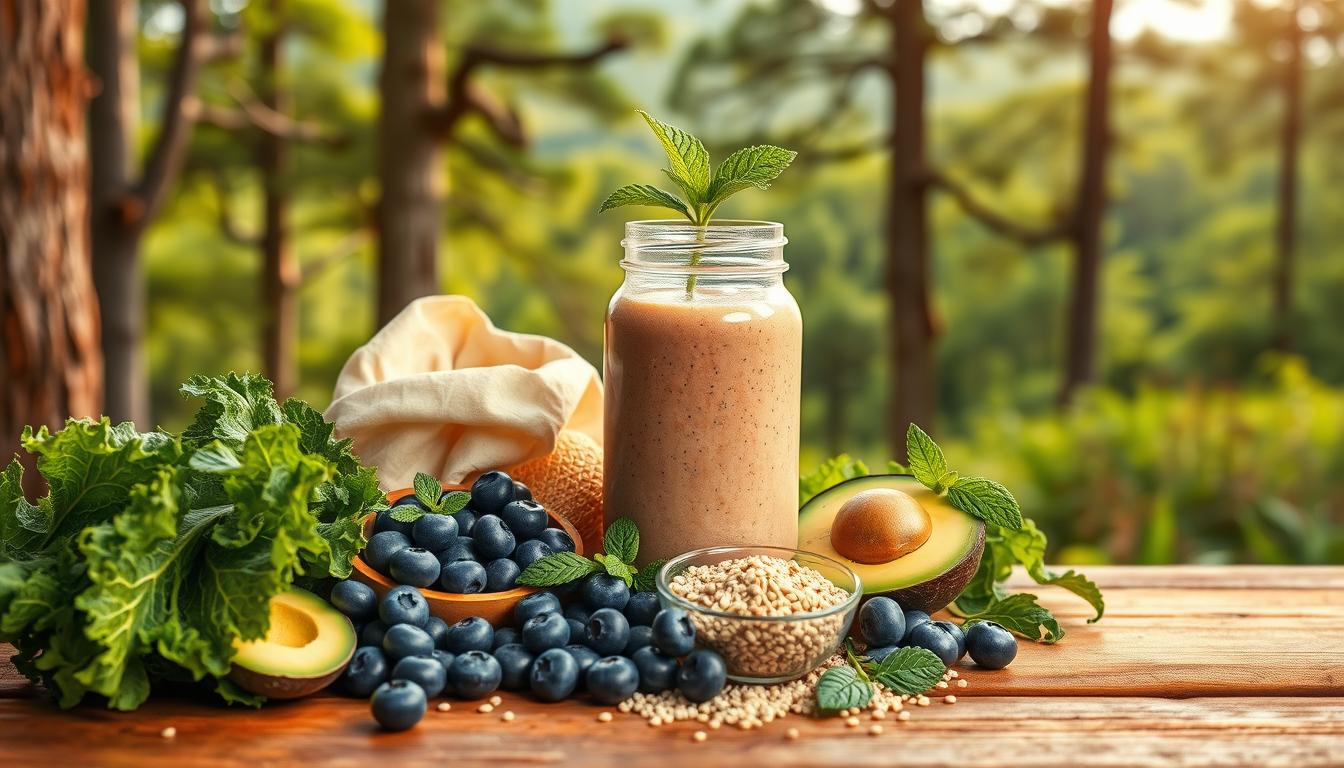
Are you getting the nutrients your body needs to thrive? With so many food options available, it can be challenging to know what’s truly beneficial for our health.
Incorporating the right foods into your diet can make a significant difference. Nutrient-dense superfoods are particularly valuable, providing essential vitamins, minerals, and antioxidants that support overall wellness.
These powerful foods can help boost energy, support immune function, and even reduce the risk of chronic diseases. In this article, we’ll explore some of the top superfoods that can be easily integrated into your daily routine.
Key Takeaways
Table of Contents
- Discover the most beneficial superfoods for overall health and wellness.
- Learn how to incorporate these nutrient-dense foods into your daily diet.
- Understand the specific health benefits associated with different superfoods.
- Explore practical tips for making superfoods a part of your daily routine.
- Get insights into how superfoods can support immune function and energy levels.
The Science and Benefits of Superfoods
The term ‘superfood’ has gained significant attention in recent years, but what makes a food truly ‘super’? Superfoods are nutrient-dense foods that offer numerous health benefits due to their high content of vitamins, minerals, and antioxidants. These foods have been recognized for their potential to improve overall health and well-being.
What Makes a Food “Super”?
A food is considered “super” when it provides a high amount of nutrients while being low in calories. Nutrient-dense foods are rich in vitamins, minerals, and other beneficial compounds that support optimal health. The key characteristic of superfoods is their ability to provide a boost to our diets, helping to prevent chronic diseases and improve overall health.
Nutritional Density and Bioavailability
Nutritional density refers to the amount of beneficial nutrients in a food relative to its calorie content. Bioavailability is the extent to which the body can absorb and utilize these nutrients. Superfoods often have high bioavailability, ensuring that the nutrients are effectively used by the body. Examples include leafy greens like kale and spinach, which are rich in iron and other essential minerals.
Health Benefits Beyond Basic Nutrition
Superfoods offer health benefits that go beyond basic nutrition by providing antioxidants, anti-inflammatory compounds, and other beneficial substances. These compounds can help protect against chronic diseases such as heart disease, diabetes, and certain cancers. Incorporating a variety of superfoods into your diet can lead to improved overall health and well-being.
Best Superfoods for Daily Health: Plant-Based Options
Plant-based superfoods offer a powerful way to boost your daily nutrition and support long-term health. These nutrient-dense foods can be easily incorporated into your daily meals to provide a range of health benefits.

Leafy Greens and Cruciferous Vegetables
Leafy greens and cruciferous vegetables are among the most nutritious plant-based superfoods. They are rich in vitamins, minerals, and antioxidants that support overall health.
Kale, Spinach, and Broccoli
Kale, spinach, and broccoli are standout examples of leafy greens and cruciferous vegetables. They are packed with vitamins A, C, and K, as well as fiber and antioxidants.
Preparation Methods That Preserve Nutrients
To maximize the nutritional benefits of these superfoods, it’s essential to use preparation methods that preserve their nutrients. Steaming or sautéing with minimal water can help retain their vitamin content.
Tips for Preparing Leafy Greens:
- Use minimal water when steaming to preserve water-soluble vitamins.
- Sauté with garlic or ginger for added flavor and health benefits.
- Add to smoothies for a nutrient-packed drink.
Berries and Antioxidant-Rich Fruits
Berries and other antioxidant-rich fruits are another category of superfoods that can enhance daily health. They are rich in antioxidants, vitamins, and minerals.
Blueberries, Strawberries, and Acai
Blueberries, strawberries, and acai berries are particularly noteworthy for their high antioxidant content. They can help protect against oxidative stress and support heart health.
Seasonal Buying Guide
Buying fruits in season can ensure freshness and maximize nutritional benefits. Check local farmers’ markets for seasonal berries and other fruits.
| Fruit | Season | Nutritional Highlights |
|---|---|---|
| Blueberries | May to July | High in antioxidants, vitamin C |
| Strawberries | March to July | Rich in vitamin C, potassium |
| Acai Berries | Available year-round (frozen) | High in antioxidants, fiber |
Nuts, Seeds, and Healthy Fats
Nuts, seeds, and healthy fats are crucial for brain health, energy, and overall nutrition. They are rich in healthy fats, protein, and fiber.
Chia, Flax, Walnuts, and Almonds
Chia seeds, flaxseeds, walnuts, and almonds are excellent sources of healthy fats and protein. They support heart health and provide sustained energy.
Proper Storage Techniques
To maintain the freshness and nutritional quality of nuts and seeds, proper storage is essential. Store them in airtight containers in a cool, dry place.
“Nuts and seeds are not only nutritious but also versatile, making them easy to incorporate into daily meals.”
Ancient Grains and Complex Carbohydrates
Ancient grains and complex carbohydrates provide sustained energy and support digestive health. They are rich in fiber, vitamins, and minerals.
Quinoa, Amaranth, and Buckwheat
Quinoa, amaranth, and buckwheat are examples of ancient grains that are high in protein and fiber. They can help support heart health and provide sustained energy.
Cooking Tips for Maximum Nutrition
Cooking ancient grains according to package instructions can help preserve their nutritional content. Rinsing grains before cooking can also reduce saponins and improve digestibility.
Cooking Tips:
- Rinse grains thoroughly before cooking.
- Use the right water ratio as per package instructions.
- Experiment with spices and herbs for added flavor.
By incorporating these plant-based superfoods into your daily diet, you can significantly enhance your overall health and wellness. Whether through leafy greens, berries, nuts, seeds, or ancient grains, there’s a wide range of options to suit every taste and preference.
Protein-Rich Superfoods for Energy and Recovery
Incorporating protein-rich superfoods into your diet can significantly enhance your energy levels and support recovery after physical activity. Protein is a fundamental nutrient that plays a critical role in muscle repair, energy production, and overall health.
Plant-Based Protein Sources
Plant-based protein sources are diverse and rich in nutrients. They not only provide protein but also offer fiber, vitamins, and minerals essential for overall health.
Legumes, Lentils, and Beans
Legumes, lentils, and beans are excellent sources of plant-based protein. They are rich in fiber and nutrients, making them a great addition to a healthy diet.
Tofu, Tempeh, and Plant Protein Powders
Tofu, tempeh, and plant protein powders offer versatile ways to include protein in your diet. They can be easily incorporated into meals and snacks.
Animal-Based Superfoods
Animal-based superfoods provide high-quality protein and essential nutrients. They are crucial for muscle recovery and energy.
Wild-Caught Salmon and Fatty Fish
Wild-caught salmon and other fatty fish are not only rich in protein but also in omega-3 fatty acids, which are vital for heart health and reducing inflammation.
Pasture-Raised Eggs and Fermented Dairy
Pasture-raised eggs and fermented dairy products like yogurt and kefir are rich in protein and probiotics, supporting gut health and immune function.
Balancing Protein Throughout the Day
Balancing protein intake is crucial for maintaining energy and supporting recovery. It’s recommended to distribute protein consumption across meals.
| Protein Source | Protein Content per Serving | Additional Benefits |
|---|---|---|
| Legumes (lentils, chickpeas) | 15-18g per 1 cup cooked | High in fiber, vitamins, and minerals |
| Tofu | 20g per 3 oz serving | Versatile, rich in iron and calcium |
| Wild-Caught Salmon | 20g per 3 oz serving | Rich in omega-3 fatty acids |
| Pasture-Raised Eggs | 6-7g per large egg | Rich in vitamins D and B12 |
Incorporating Superfoods Into Your Daily Routine
Superfoods are not just a trend; they’re a powerful tool for improving daily health and wellness. By incorporating these nutrient-dense foods into your meals, you can significantly enhance your overall well-being. The key is to make superfoods a seamless part of your daily routine, from morning to night.
Morning Superfood Rituals
Starting your day with superfoods can set a positive tone for your overall health. Two effective ways to do this are through breakfast bowls and smoothies, and overnight preparations.
Breakfast Bowls and Smoothies
Blend your favorite fruits, nuts, and greens into a smoothie, or create a hearty breakfast bowl with ancient grains, nuts, and fresh berries. These meals are not only delicious but also packed with nutrients.
Overnight Preparations
Prepare overnight oats with chia seeds, nuts, and fruit for a nutritious breakfast that’s ready to go in the morning. This is a great way to ensure you’re getting a healthy start, even on busy days.
Midday Nutrition Strategies
Keeping your energy levels up throughout the day is crucial. Incorporating superfoods into your lunch and snacks can make a big difference.
Lunch Ideas and Portable Options
Pack a salad with leafy greens, nuts, and seeds, or prepare a quinoa bowl with roasted vegetables and lean protein. These meals are not only healthy but also easy to take on the go.
Superfood Snacks for Energy
Keep energy-boosting snacks like trail mix with nuts and dried fruits, or energy balls made with oats and nut butter, handy for quick pick-me-ups.

Evening Meals with Nutritional Power
Dinner is a great opportunity to incorporate more superfoods into your diet. One-pot meals and family-friendly recipes are excellent ways to do this.
One-Pot Superfood Dinners
Cook up a hearty stew with vegetables, beans, and lean protein, or make a quinoa and vegetable stir-fry. These meals are not only nutritious but also easy to prepare.
Family-Friendly Superfood Recipes
Involve your family in the cooking process with simple, healthy recipes like salmon with roasted vegetables or a hearty lentil soup. These meals are great for everyone, regardless of age.
Superfood Supplements and Boosters
In addition to whole foods, superfood supplements can provide an extra nutritional boost. Understanding how to use them effectively is key.
Powders, Tinctures, and Extracts
Superfood powders, tinctures, and extracts can be added to meals or taken as supplements. They offer a convenient way to get a concentrated dose of nutrients.
When and How to Use Them Effectively
Use these supplements to enhance your meals or as a quick boost when you’re on the go. Always follow the recommended dosages and consult with a healthcare professional if necessary.
| Superfood | Nutritional Benefits | Best Way to Consume |
|---|---|---|
| Chia Seeds | High in Omega-3s and Fiber | Add to oatmeal or yogurt |
| Salmon | Rich in Protein and Omega-3s | Grilled or baked |
| Quinoa | Complete Protein and Fiber | Salads or as a side dish |
Conclusion: Building a Sustainable Superfood Lifestyle
Incorporating the best superfoods for daily health into your diet can have a significant impact on your overall wellness. By making informed choices about the foods you eat, you can take control of your health and improve your quality of life.
To build a sustainable superfood lifestyle, start by introducing small changes to your daily routine. Begin with simple substitutions, such as adding leafy greens to your breakfast or snacking on antioxidant-rich berries. As you become more comfortable with these new habits, you can continue to expand your superfood repertoire.
Remember, the key to a successful superfood lifestyle is consistency and patience. By focusing on whole, nutrient-dense foods and being mindful of your nutritional needs, you can achieve optimal health and wellness. Explore the best superfoods for daily health and start your journey to a healthier, happier you.